

How to precondition a Ford Puma Gen-E before rapid charging
A cold battery accepts less power, so a rapid charge can take longer. Battery preconditioning means warming the battery before you reach the charger. On the Ford Puma Gen-E, how you do that depends on your version.
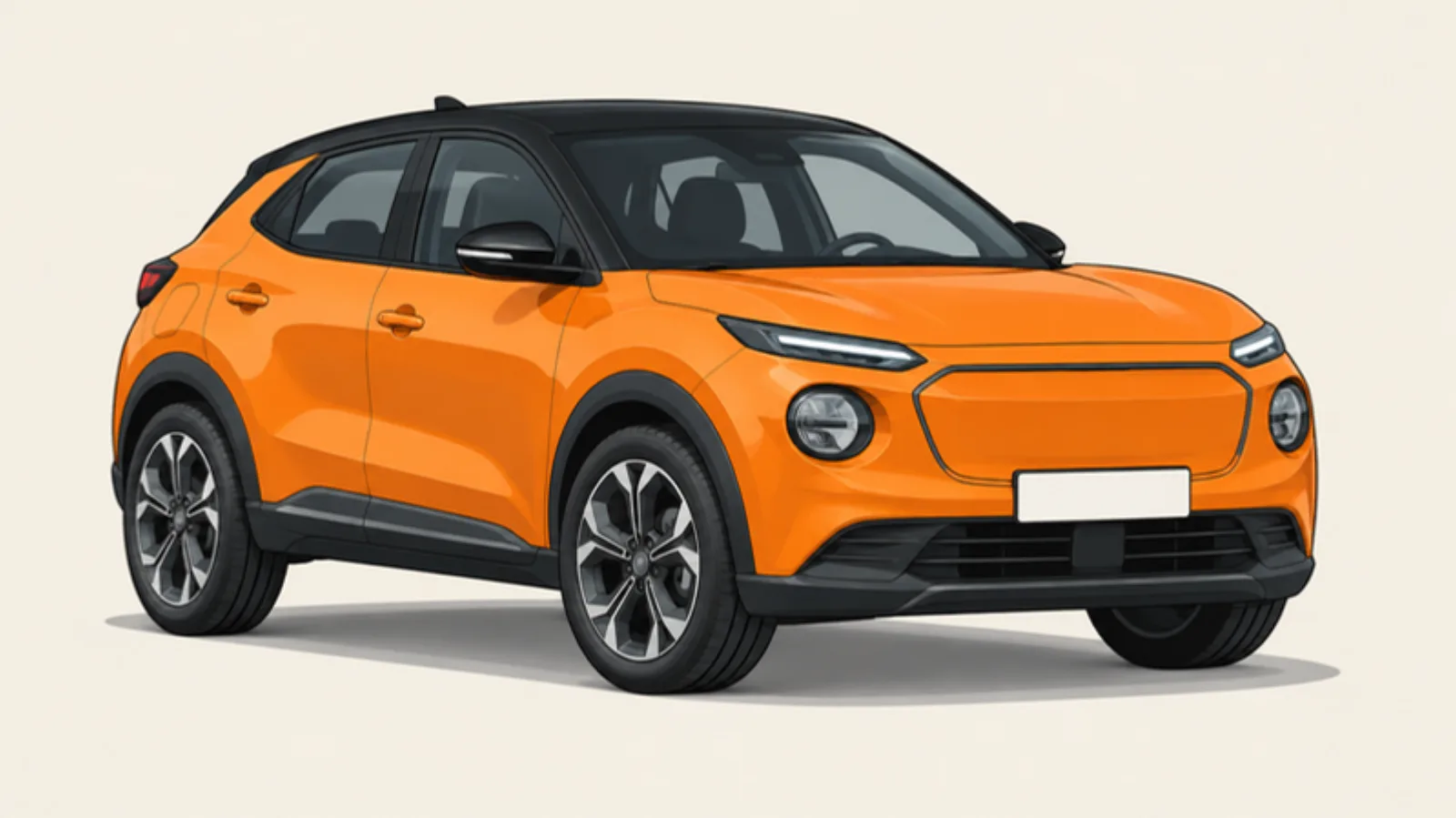
Your version
43 kWh (2024–2026)
We're checking this one.
EV Database has no preconditioning data.
Heads up
We're double-checking details for this version. Always check your handbook.Standard (2026 on)
Manual only: start it from the car's battery/charging menu or the app about 20–30 minutes before you arrive.
Heads up
We're double-checking details for this version. Always check your handbook.
Good to know
Questions about the Ford Puma Gen-E
Does the Ford Puma Gen-E have battery preconditioning?
43 kWh (2024–2026): We're checking this one. EV Database has no preconditioning data. Standard (2026 on): Manual only: start it from the car's battery/charging menu or the app about 20–30 minutes before you arrive.
Will setting a rapid charger in my Ford Puma Gen-E's sat-nav warm the battery?
Our data does not confirm automatic sat-nav warming for the Ford Puma Gen-E. 43 kWh (2024–2026): We're checking this one. EV Database has no preconditioning data. Standard (2026 on): Manual only: start it from the car's battery/charging menu or the app about 20–30 minutes before you arrive.
Will my Ford Puma Gen-E charge more slowly in winter?
A cold battery can accept less power, so allow more time for a rapid charge in your Ford Puma Gen-E. Where your version supports it, use battery preconditioning before arriving. Heating the cabin is not the same as preparing the battery for rapid charging.